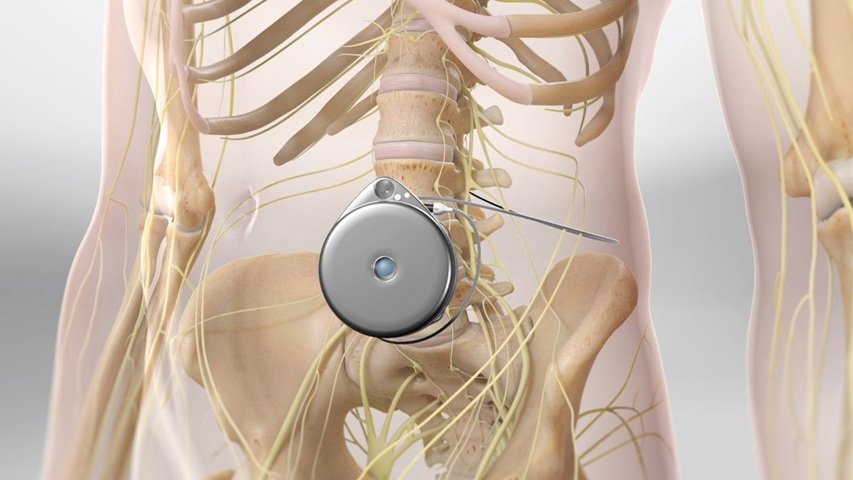
Chronic pain and muscle spasticity can make daily routines feel exhausting and limiting. While oral medications offer relief for many, they’re not always enough—especially for patients who need precise, consistent pain control. Intrathecal pumps provide an advanced, targeted therapy option designed to deliver medication directly where it’s needed most.
What Are Intrathecal Pumps?
Intrathecal pumps are small, implantable devices that administer medication directly into the cerebrospinal fluid (CSF) surrounding the spinal cord. By bypassing the digestive system entirely, these pumps deliver significantly lower medication doses while achieving stronger and more effective pain or spasticity relief. This targeted approach also minimizes the side effects commonly associated with oral medications.
How Intrathecal Pumps Work
The system is made up of three essential components:
- Pump Reservoir: Stores the prescribed medication.
- Catheter: A narrow tube that carries the medication to the spinal cord.
- Programmable Technology: Enables physicians to fine-tune dosage levels and delivery schedules for individualized treatment.
With their controlled, continuous delivery, intrathecal pumps help patients avoid the fluctuations in relief that often occur with traditional oral therapies.
Benefits of Intrathecal Pumps
Patients choosing this therapy often experience:
- Targeted Relief: Direct delivery to the spinal cord enhances medication effectiveness.
- Lower Medication Requirements: Reduced dosages decrease systemic side effects.
- Personalized Treatment: The pump can be adjusted to match each patient’s needs.
- Improved Quality of Life: Better control of pain and spasticity leads to greater mobility and independence.
Is an Intrathecal Pump a Good Option for You?
Intrathecal pumps are typically recommended for individuals whose chronic pain or spasticity remains persistent despite medications, physical therapy, injections, or other conventional treatment options. A thorough evaluation with pain management professionals can determine whether this therapy aligns with your medical needs and goals. For many patients, it offers the level of relief they’ve struggled to achieve through other methods.
The Implantation Process
Getting an intrathecal pump involves a careful, step-by-step approach:
- Evaluation Phase: An external trial helps determine how well the medication works for the patient.
- Surgical Placement: The pump is implanted beneath the skin of the abdomen, with a catheter connected to the spinal area.
- Ongoing Maintenance: Routine check-ups, refills, and dosage adjustments ensure long-term effectiveness.
Conclusion
Chronic pain or spasticity doesn’t have to dictate your everyday life. Intrathecal pumps offer precise, targeted relief that can significantly improve comfort, mobility, and overall well-being. To learn whether this advanced therapy is the right option for your condition, consult experienced pain specialists in Chicago who can guide you through evaluation and treatment.